
 Join English Heritage


 Home
Home





Castle Fields
To the east of Berkhamsted Castle lie grassy fields, today separated from the Castle by New Road. These seemingly unremarkable fields are surprisingly rich in history associated with the Castle.
The Siege of Berkhamsted Castle

Just over 800 years ago, this area was the site of a violent conflict waged by an invading French army. In the early 13th century, the Kingdom of England was in a state of open civil war – the First Barons’ War. England’s major landowners were in revolt against King John after he had annulled Magna Carta. The situation became so bad that English barons invited Prince Louis of France to become king of England. Louis landed in Kent with an army in May 1216, and began to wage war across the country, laying siege to the castles at Windsor and Rochester and Hertford. The kingdom was in crisis.

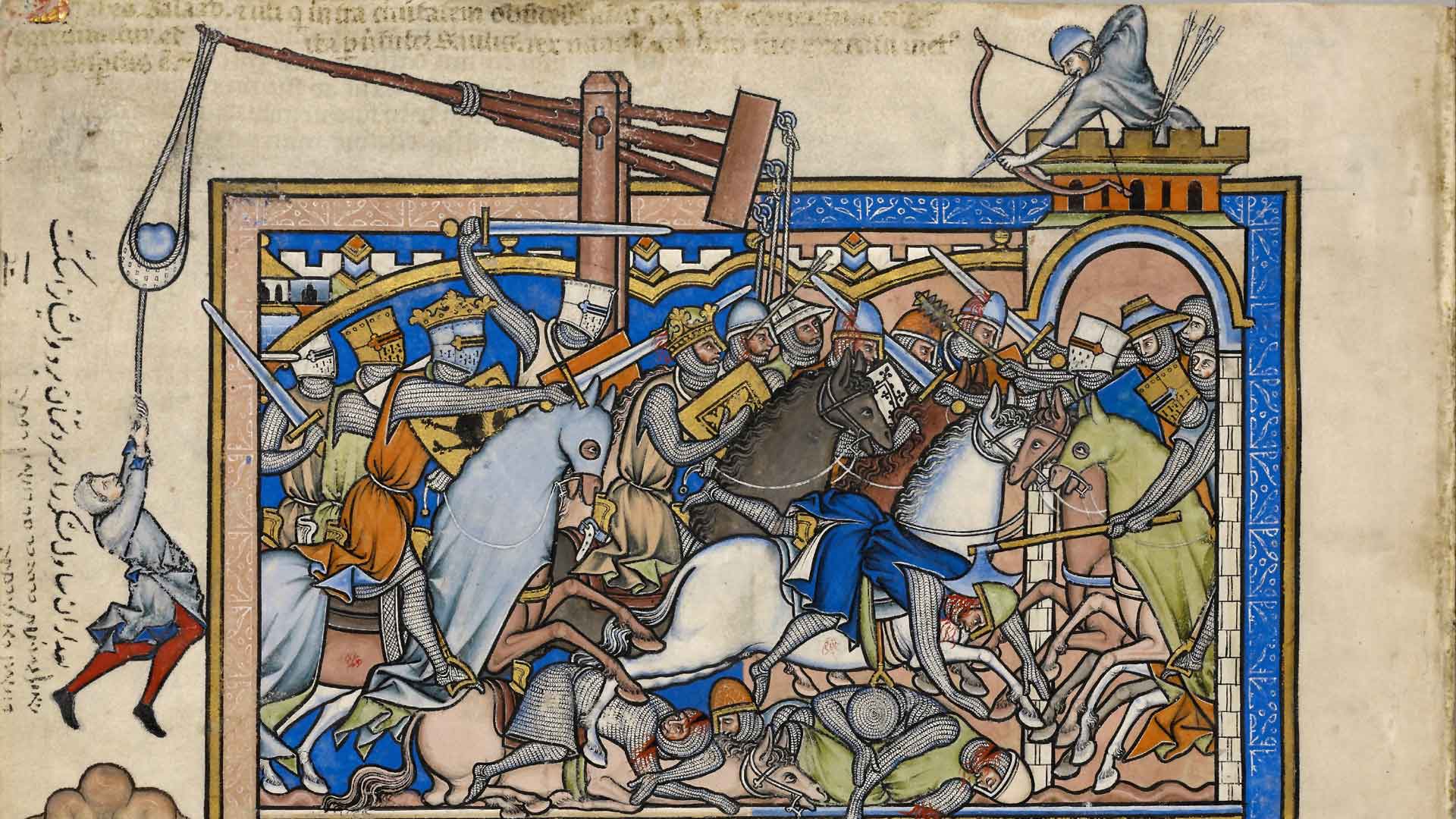
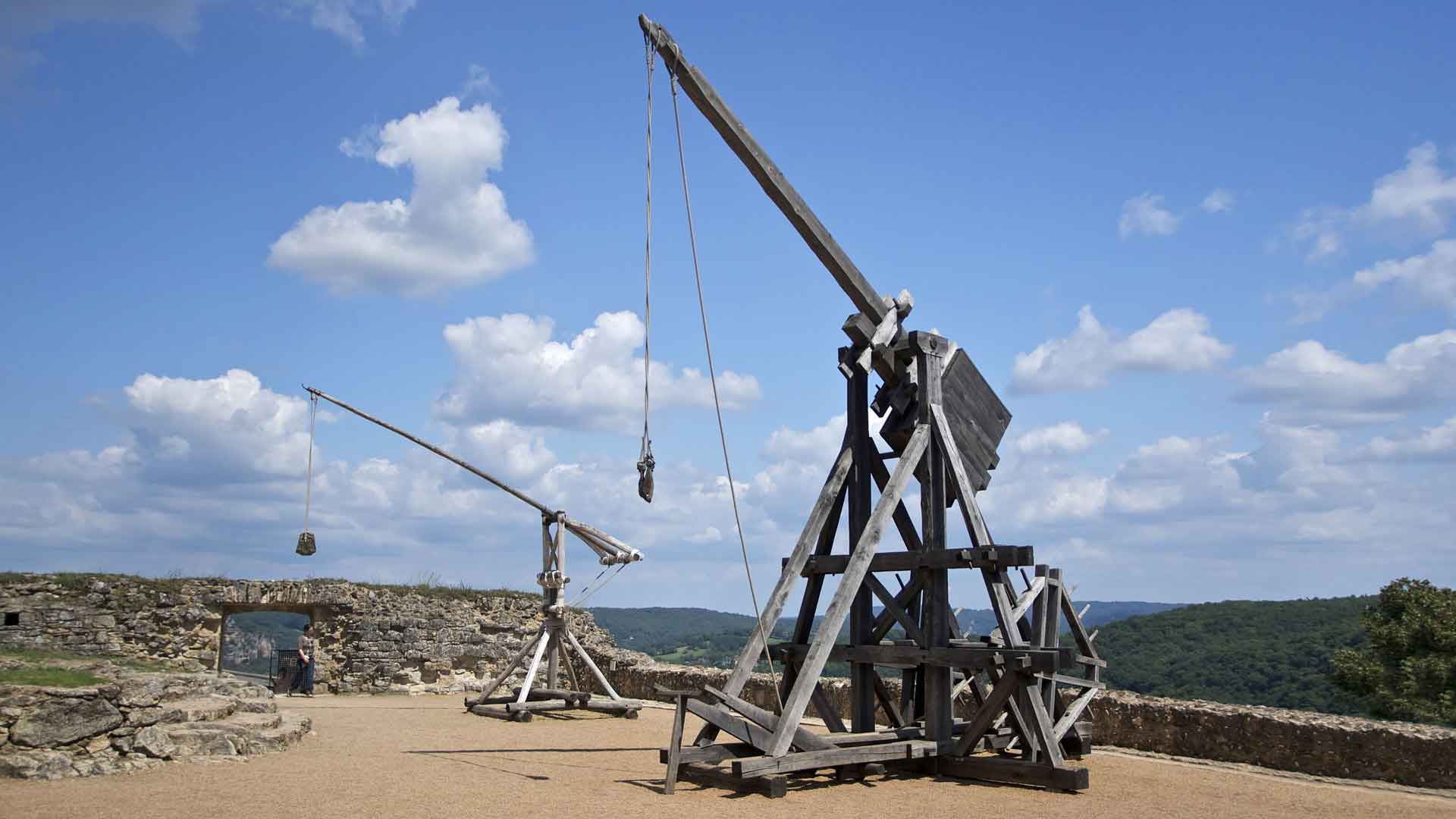
In late December 1216, the French army laid siege to Berkhamsted Castle, staked out in the area to the north and east of the castle – and bombarded Berkhamsted Castle with “innumerable damnable stones” with huge catapult machines called trebuchets. This is believed to have been the first use of a counterweight trebuchet in England, right here on Castle Fields. After two weeks, Berkhamsted Castle fell to the French and the war continued. Louis was eventually defeated in 1217 and surrendered English castles like Berkhamsted back to English control.
The Deer Park

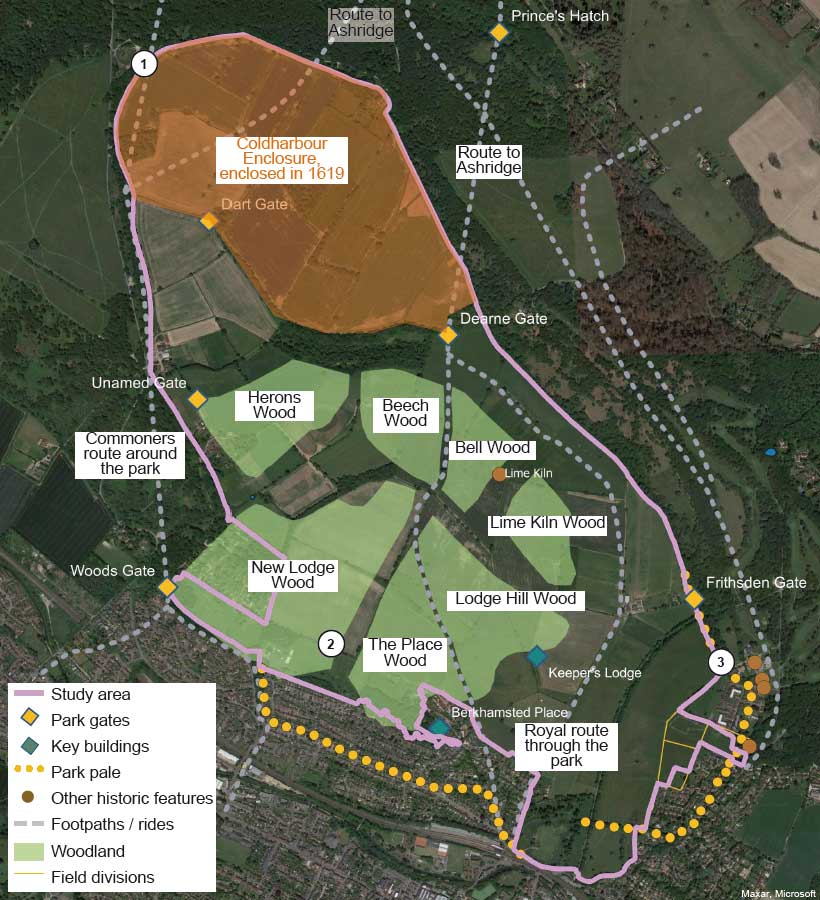
Over 60 years later, King Henry III granted Berkhamsted Castle to the Earls of Cornwall. In this time of relative peace, the Castle flourished as a centre of power. In 1280, Richard, Earl of Cornwall enclosed acres of common land stretching from Castle Fields up into Ashridge Forest for the purposes of hunting, creating one of the earliest royal deer parks. For about 350 years, kings and nobles would have begun their hunt deer here at Castle Fields, providing sport for royalty and venison for the Castle larders.
Berkhamsted Castle ceased to be a royal residence upon the death of Cecily Neville, Duchess of York in 1495. From the 17th century, the deer park was gradually turned over to farmland, and in 1862, the Duchy of Cornwall sold the Berkhamsted estate (except the castle) to Lord Brownlow of Ashridge House. Today, the former deer park is a patchwork of fields owned by many different landowners.
New Road

In the 1860s, New Road was built by Lord Brownlow to provide a thoroughfare from Berkhamsted Common into the town. It runs north-south along the east side of the Castle, separating Berkhamsted Castle from Castle Fields.
In 1924, Coopers sheep-dip factory bought a small parcel of land on the eastern side of the Castle, between the Castle and New Road, and kept sheep here. After a series of corporate mergers, this strip of land was donated to the Berkhamsted Castle Trust in 2018.
Castle Fields today

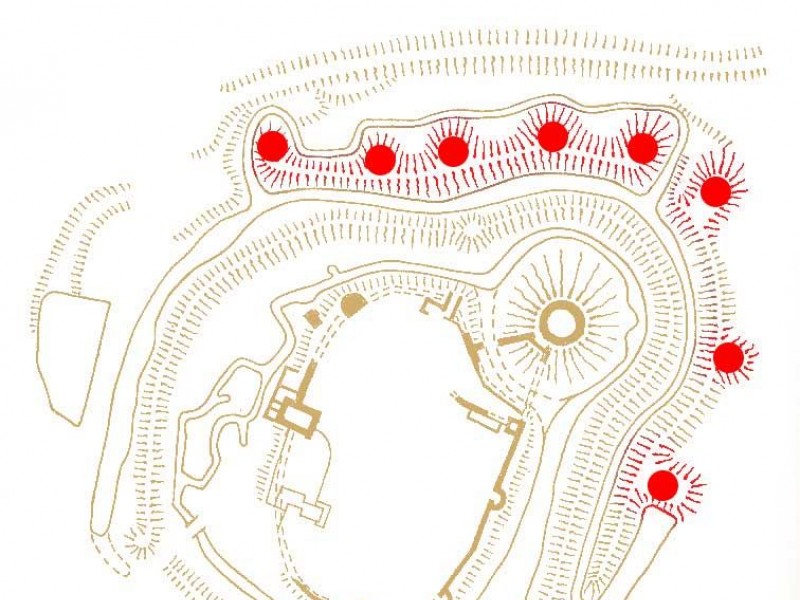
Today there is scant archaeological evidence of the 1216 siege. Some historians have suggested that the eight large earth mounds on the north and east sides of the castle ruins are the remains of earthwork platforms for Prince Louis’s giant catapults, but it is now thought that these were defensive works added by King John in 1215-16, or later by Richard of Cornwall.
During renovation works in 1930-1931, archaeologists uncovered a crossbow stave buried in the mud of the inner eastern ditch. The crossbow was a common weapon used in the 13th century during the Barons’ Wars, and it seems likely that this weapon was used in the French siege of 1216. The crossbow is now held in the collection of the British Museum in London.
The siege of 1216 is noted by historians, but until recently, the importance of Castle Fields was largely forgotten. Today, that perception is changing, and the area to the north and east of Berkhamsted Castle (which includes Castle Fields) is now recognised by the Battlefields Trust as one of the 25 sites of national historic importance to Magna Carta, and by the Magna Carta Trust as the site of one of the ‘Battles of Magna Carta’.
