
 Join English Heritage


 Home
Home
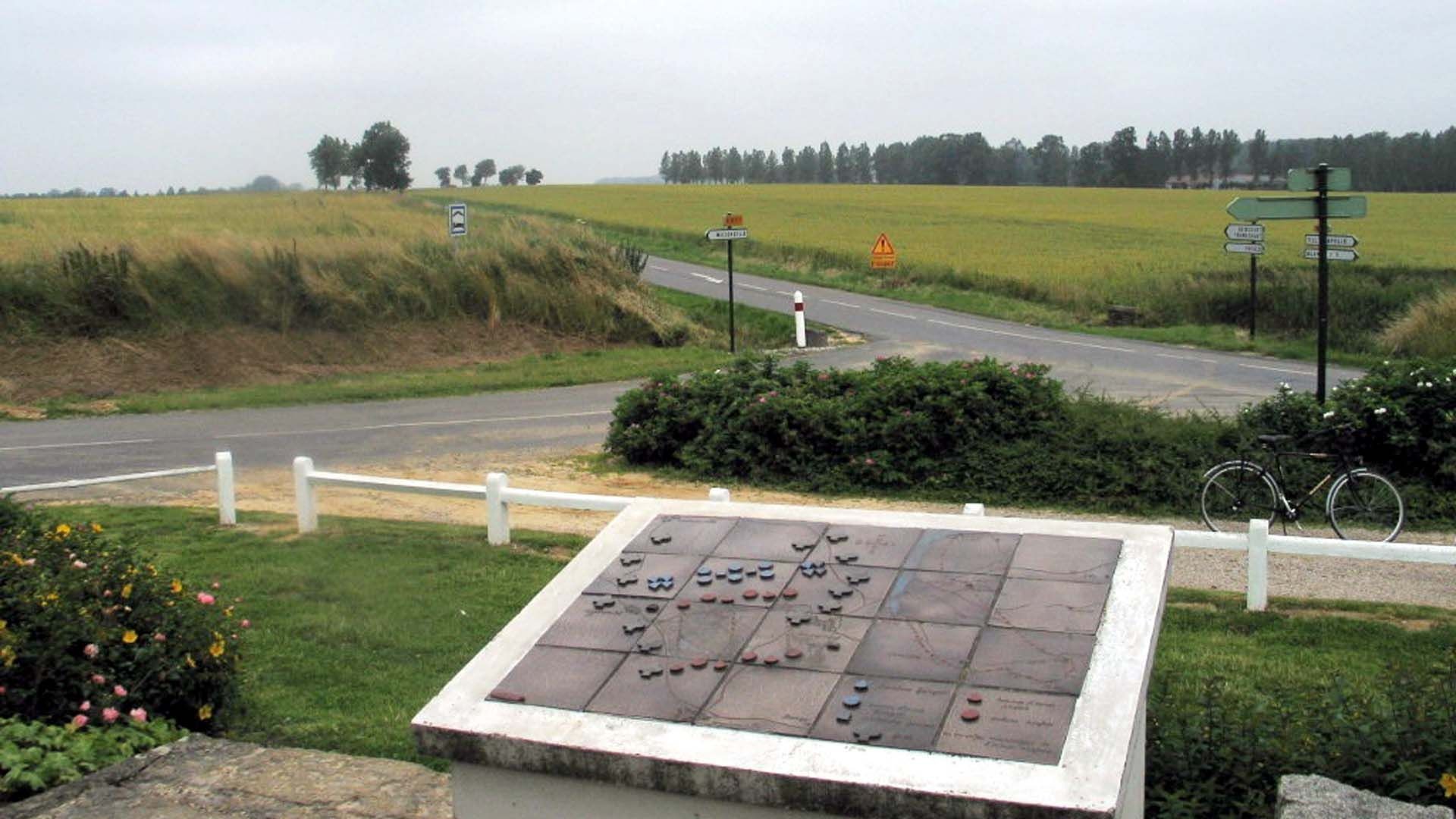

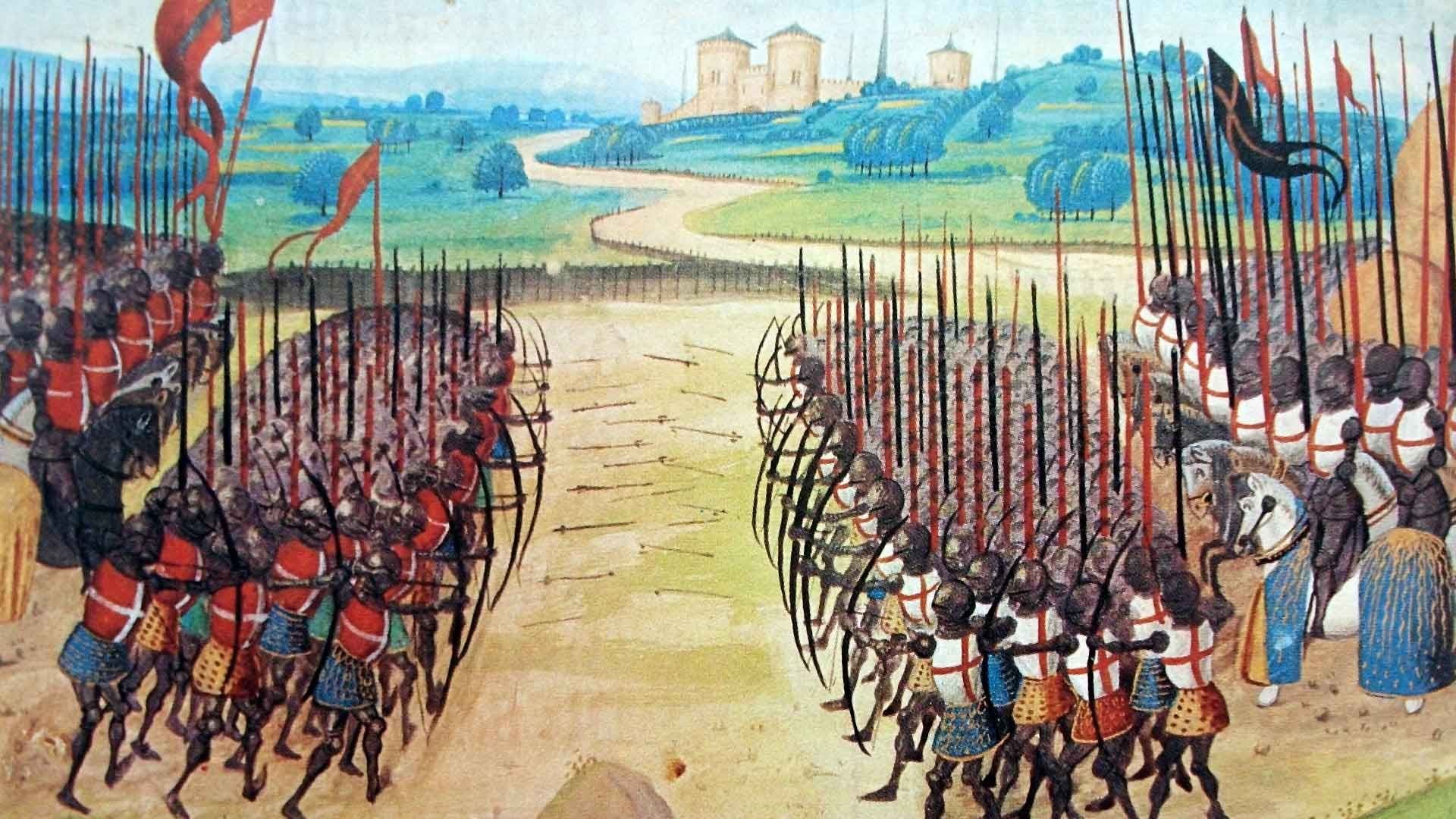
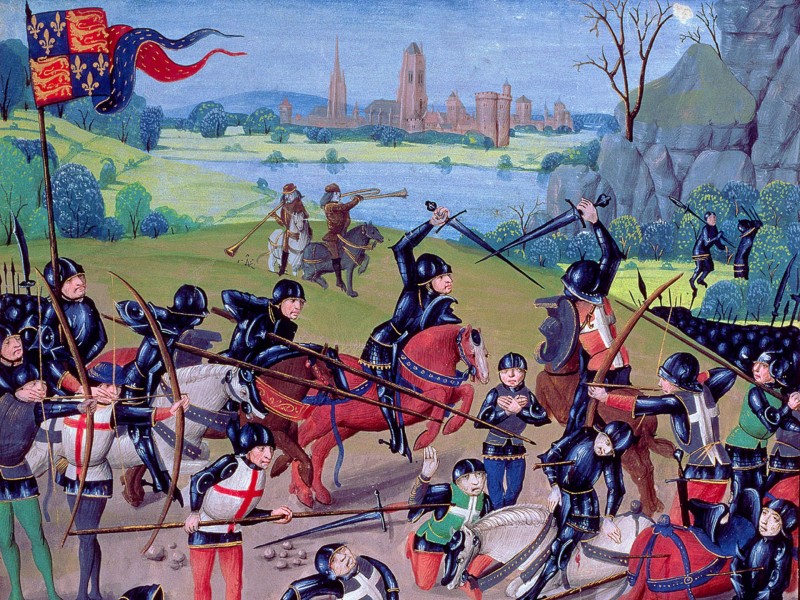
The Battle of Agincourt was fought by King Henry V on 25 October 1415 (Saint Crispin’s Day) near the modern town of Azincourt in northern France. It is one of the most well-known events in English history, and a decisive English victory in the Hundred Years’ War. Its appearance in Shakespeare’s 1599 play Henry V has cemented it in English culture, with the rousing “St Crispin’s Day Speech” famously declaimed by actors such as Laurence Olivier and Kenneth Branagh.
At the battle, King Henry V of England led his troops into battle against the French army. King Charles VI of France was absent due to psychotic illness, and Constable Charles I d’Albret commanded French forces. Despite greater numbers, the French were unexpectedly defeated.
The English victory is attributed to the use of the English longbow in very large numbers, with the English and Welsh archers making up nearly 80 percent of Henry’s army. Since the early days of the Hundred Years’ War, Berkhamsted had been a centre of archery excellence under Edward the Black Prince, and it is entirely possible that many of the bowmen originated in Berkhamsted. The bowmen are credited with turning the tide of a battle that changed the course of European history. The victory raised English morale and prestige, and crippled France.
We few, we happy few, we band of brothers;
For he to-day that sheds his blood with me
Shall be my brother; be he ne’er so vile,
This day shall gentle his condition;
And gentlemen in England now a-bed
Shall think themselves accurs’d they were not here,
And hold their manhoods cheap whiles any speaks
That fought with us upon Saint Crispin’s day.William Shakespeare – Henry V, Act IV Scene iii
“St Crispin’s Day speech”
